
 |
 |
 |
 |
 |
 |
 |
Sri Lanka | |




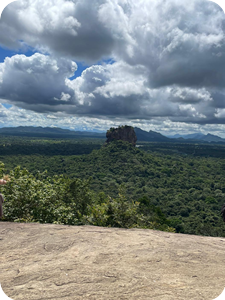
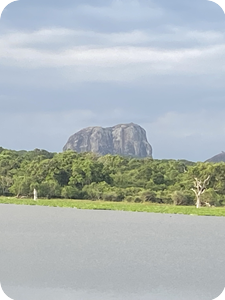

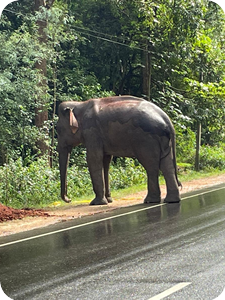

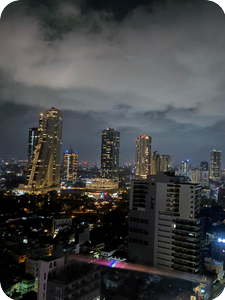 |
Sri Lanka enjoys almost constant temperatures year-round, ranging from 29 to 35 degrees Celsius in the lowlands and around 22 degrees Celsius in the mountains. While the north tends to be hot and dry, the coast, south, and lowlands are warmer and more humid. There isn't a single best time to travel; you can visit Sri Lanka practically any time of year. However, this also means that it rains in some parts of the island at any time of year.
November - March Avoid the east coast and focus on the north, the highlands, and the west and south coasts. April - October The west and south coasts tend to be unpleasant and rainy. Therefore, focus on the north and east during these months. Average Temperatures (-Subject to change) Current Weather with ForecastClimateSri Lanka lies in the Indian Ocean. Due to its location near the equator, it has a tropical monsoon climate. This is influenced by the mountain ranges in the island's interior and by the monsoon winds, which change every six months. As a result, weather conditions vary depending on the direction. When it's stormy and rainy on the west coast, the sun shines in the east - and vice versa. You can read more about the rainy season in Sri Lanka below. From March to mid-May, the island experiences the fewest rain showers. The island nation is characterized by warm temperatures around 30 degrees Celsius year-round, high humidity, and gentle sea breezes. The central highlands of Sri Lanka generally have cooler temperatures than other parts of the country, while the coastal regions are usually hotter and more humid. Rainy SeasonDue to its location in the Indian Ocean, Sri Lanka's climate is influenced by two monsoons: the southwest monsoon (Yala) and the northeast monsoon (Maha). When it rains on one side of Sri Lanka due to the Yala, it's dry on the other thanks to the Maha. This makes the island nation a popular travel destination year-round. The southwest monsoon, from May to September, is also known as the long rainy season. Most of the rain falls at the beginning of this period and decreases significantly in July. The Maha blows from October to April along the north and east coasts. While this monsoon is somewhat milder, the weather in Sri Lanka is generally very unstable in October and November, which is why we recommend other months for your trip. Generally speaking, you shouldn't worry about your vacation being ruined by rain. Although the showers can be heavy at times, they don't last long. Many days with sunshine and blue skies are not uncommon, even during the rainy season. Best time to travelThe best time to travel is from March to mid-May and the transition period between the monsoons in September. Since this period sees the least rainfall across the entire island, it's particularly well-suited for tours. We recommend a holiday in the south and west of the island nation between December and April. The climate in the highlands is also pleasant during this time. The north and east are best visited during the European spring and summer, from mid-March to September. Best time to travel to the Southwest at a glance Swimming: December to March Diving: December to April Surfing: November to April Best time to travel to the Northeast at a glance Swimming: April to October Diving: March to November Surfing: May to October Best time to travel for a beach holidayBeach holidays are generally possible year-round. However, some months are better than others for a particular region. Even in areas known for their rain, you'll find fantastic weather during the monsoon season. The stunning beaches on the south and west coasts are perfect for a beach holiday from late November to March. The weather during this period is sunny and not too hot. The north and east of the country are ideal for swimming from April to October. Best time to travel for surfingSri Lanka is a true surfer's paradise, which can be divided into two different regions. From November to April, the best conditions for water sports can be found on the south and west coasts. This is also where most of the hotspots are located. Hikkaduwa, Mirissa Matara, and Midigama offer perfect conditions during this time, with clear water and waves up to two meters high. The east of the island nation, with Arugam Bay, a well-known spot among surfers, attracts surfers from all over the world between May and October. The northwest is also home to many kitesurfing spots. Coastal stretches with average wind speeds of 35 km/h, as well as calmer, smaller lagoons, create an ideal mix for beginners, freestylers, and advanced kitesurfers alike. The best time to go kitesurfing is from May to October and from December to February. Best time to go divingSri Lanka is the perfect destination for divers. Grab your diving gear and explore exotic schools of fish, turtles, or whales! Diving is generally possible year-round, but the best time for underwater sports depends on which part of the island you're visiting. The east coast and the north offer ideal diving conditions from March to November. However, most dive sites are located on the south coast. This includes the undisputed dive spot Hikkaduwa with its house reef and approximately 22 dive sites. The period between December and April is recommended there, as the monsoon season begins in early May. The sea is then rough and stormy, and underwater visibility is reduced. Annual Overview
|

 |
|---|


 Whatsapp